Nevada concealed carry: the permit, the course and the limits
Nevada is a shall-issue state with an unusual split: you may carry a handgun openly with no licence at all, but the moment it goes under a jacket you need a permit. That permit comes from the sheriff of the county where you live, not from a state agency, so the front counter for a Las Vegas resident is the Las Vegas Metropolitan Police Department and for a Reno resident it is the Washoe County Sheriff. This guide covers what the permit takes, what it costs and where it does not work, as of September 2026.
Open carry first
Any adult who may lawfully possess a firearm may carry one openly in Nevada, in a holster, in plain view, without a licence. There is no state law requiring the gun to be unloaded and no licence for carrying a loaded handgun in your own vehicle. Open carry is common in the rural counties and much rarer in the resort corridor, where private property rules do most of the work.
Who can get a permit
- Age 21, or 18 to 20 if you are on active duty or were honourably discharged from the armed forces.
- No disqualifying record: felony convictions, certain domestic-violence convictions, unlawful drug use, outstanding warrants and a recent history of alcohol or drug-related offences all block a permit.
- A qualifying course. You must complete a Nevada Sheriffs and Chiefs firearms safety course taught by a certified instructor, and the course must include live fire on a range.
Nevada issues permits to residents and to non-residents, and a Nevada permit covers any handgun you lawfully own rather than being tied to a listed gun, which is how the law worked before 2011.
The course and the paperwork
The initial course is a full day, typically eight hours of classroom and range time ending in a live-fire qualification; the renewal course is shorter, around four hours, and also ends with live fire. The certificate you receive is valid for a limited window, so book the class within a year of the date you intend to apply. In Clark County the department also asks that the course be taught by an instructor certified in the county.
The rest of the application is fingerprints, a photo, a Nevada driver's licence or state identification card with your current address, and the fee. If you were born outside the United States, expect to be asked for a second form of identification.
Fees and timing
Fees are set by each sheriff and cover the state and federal record checks. In Clark County the Las Vegas Metropolitan Police Department charges $99 for a new application with the federal check and $64 for a renewal from July 1, 2026; other counties are in the same range. State law gives the sheriff up to 120 days from the day you are fingerprinted to approve or deny the application, and in a busy year in Clark County it can take most of that. A Nevada permit is valid for five years, and you renew with the shorter course and a fresh check.
Where a permit does not help
- Schools and child care property. Carrying a firearm on school or child care grounds is barred without written permission from the person in charge, and a permit does not change that.
- Public buildings that are posted or screened. Under NRS 202.3673, a permit holder may generally carry in a public building, but not in one with a metal detector at the public entrance or with a sign at each entrance saying firearms are prohibited. Courthouses and the secure areas of airports are the everyday examples.
- Federal buildings and military installations. Federal law governs these, not the state permit.
- Private property. This is the big one in southern Nevada. Casinos, resorts, stadiums and many large employers prohibit firearms on their property as a condition of entry. Refusing to leave when asked is trespass, so treat a posted resort the way you would a posted home.
Carrying into other states
Nevada recognises permits from a list of states, and a list of states recognises Nevada's. Both lists are maintained by the Nevada Department of Public Safety and both change, sometimes in the middle of a year. Before you drive to Arizona, Utah, Idaho or California with a concealed handgun, check the current reciprocity list and the destination state's own rules; California in particular does not honour a Nevada permit.
Do you still need one?
Plenty of Nevadans carry openly and never apply. A permit is still worth having if you want the option of a coat over the holster in winter, if you travel to states that recognise Nevada, or if you would rather not explain an open holster to a resort security team. It also smooths the paperwork on some transfers, though it does not replace the background check at the counter, which Nevada requires on essentially every sale. That part is covered in the Nevada gun laws guide.
Picking a carry handgun
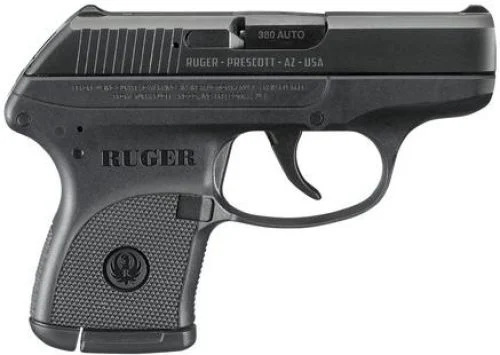
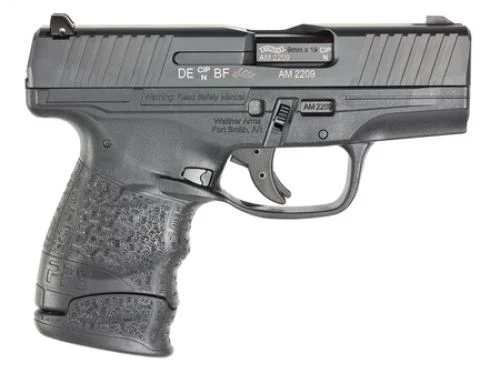
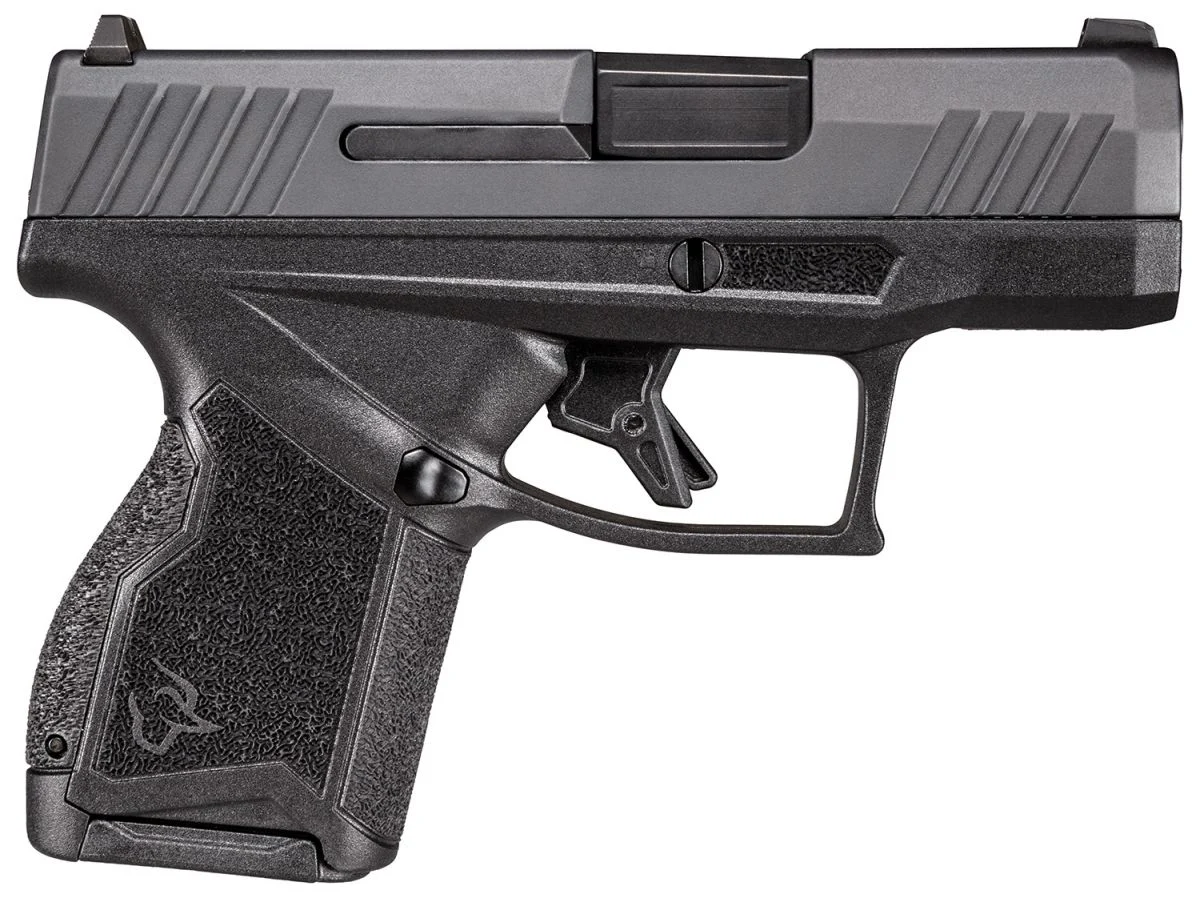
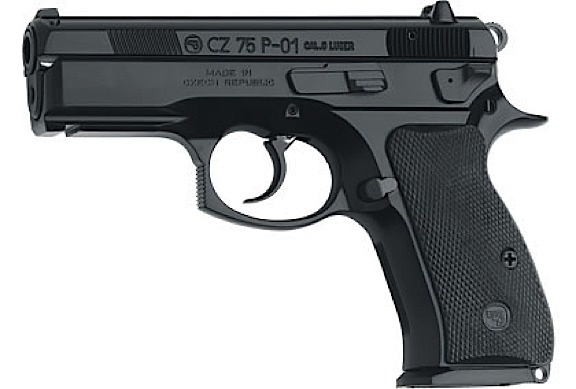
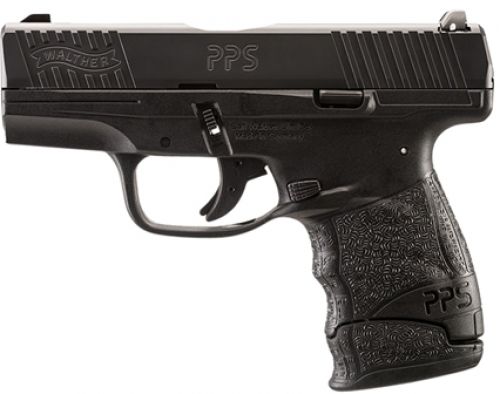
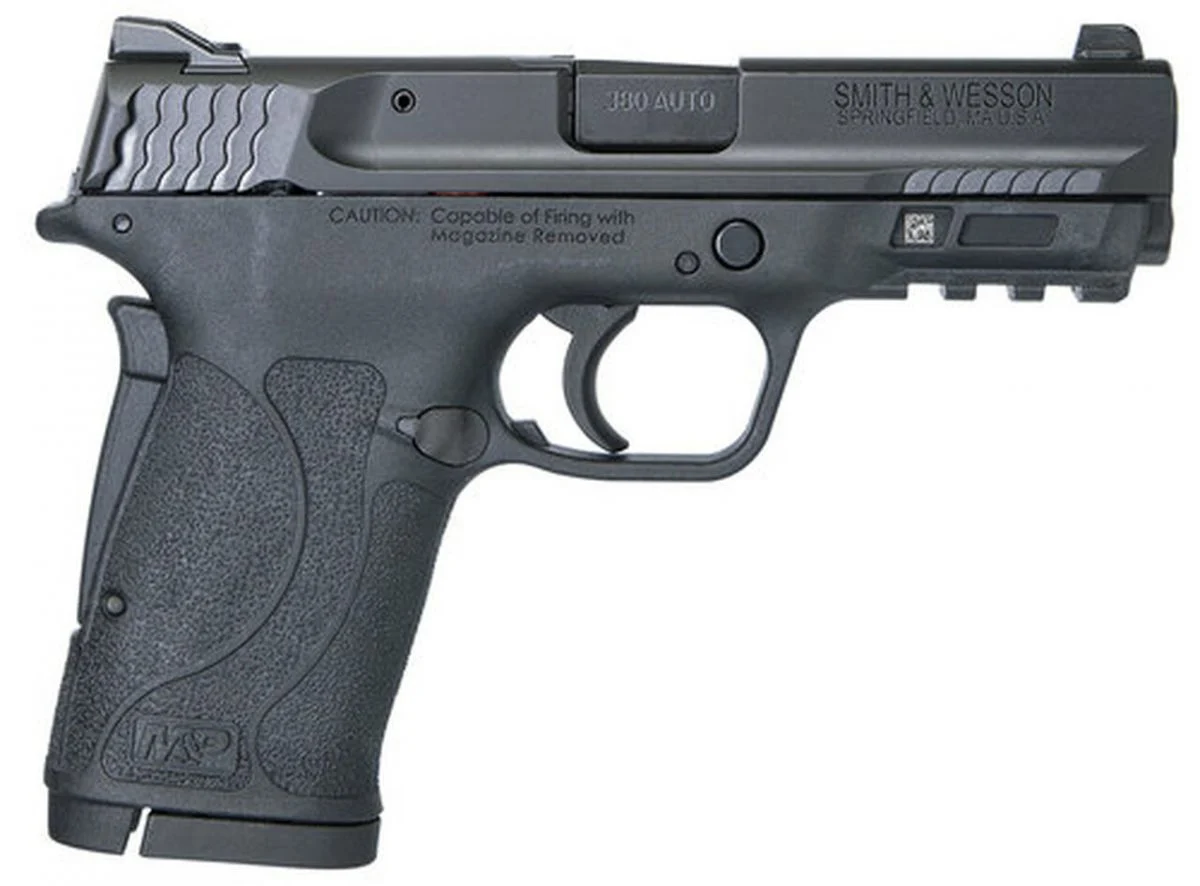
Most permit holders end up with a compact or micro-compact nine, because those are the guns that get carried every day rather than left at home. A Glock 43X or 19, a Sig P365 in its various sizes, a Smith and Wesson Shield Plus or a Springfield Hellcat all fit that brief, with a light single-stack revolver still a sound answer for a pocket. Buy the holster at the same time as the gun, practise the draw at a range such as the Clark County complex, and see the desert shooting guide for where else to put rounds downrange. You can browse the current stock in our catalog and pick it up at a dealer near you.
General information, not legal advice. Current as of September 2026. Laws change; check the official source before you act.