

Uncategorized
Firearms Accessories Stores: The Real Deal
Mar
Firearms Accessories Stores: The Real Deal
You just bought a new Glock 19. The factory sights are serviceable, the trigger is okay, but you know it can be better. You need a quality holster, a weapon light, and a few extra magazines. Walking into a big-box sporting goods store, you find a wall of generic nylon holsters and maybe one or two lights in locked cases. This is the exact moment you realize the critical difference between a general retailer and a dedicated firearms accessories store.
The Core Components of a Serious Accessory Store
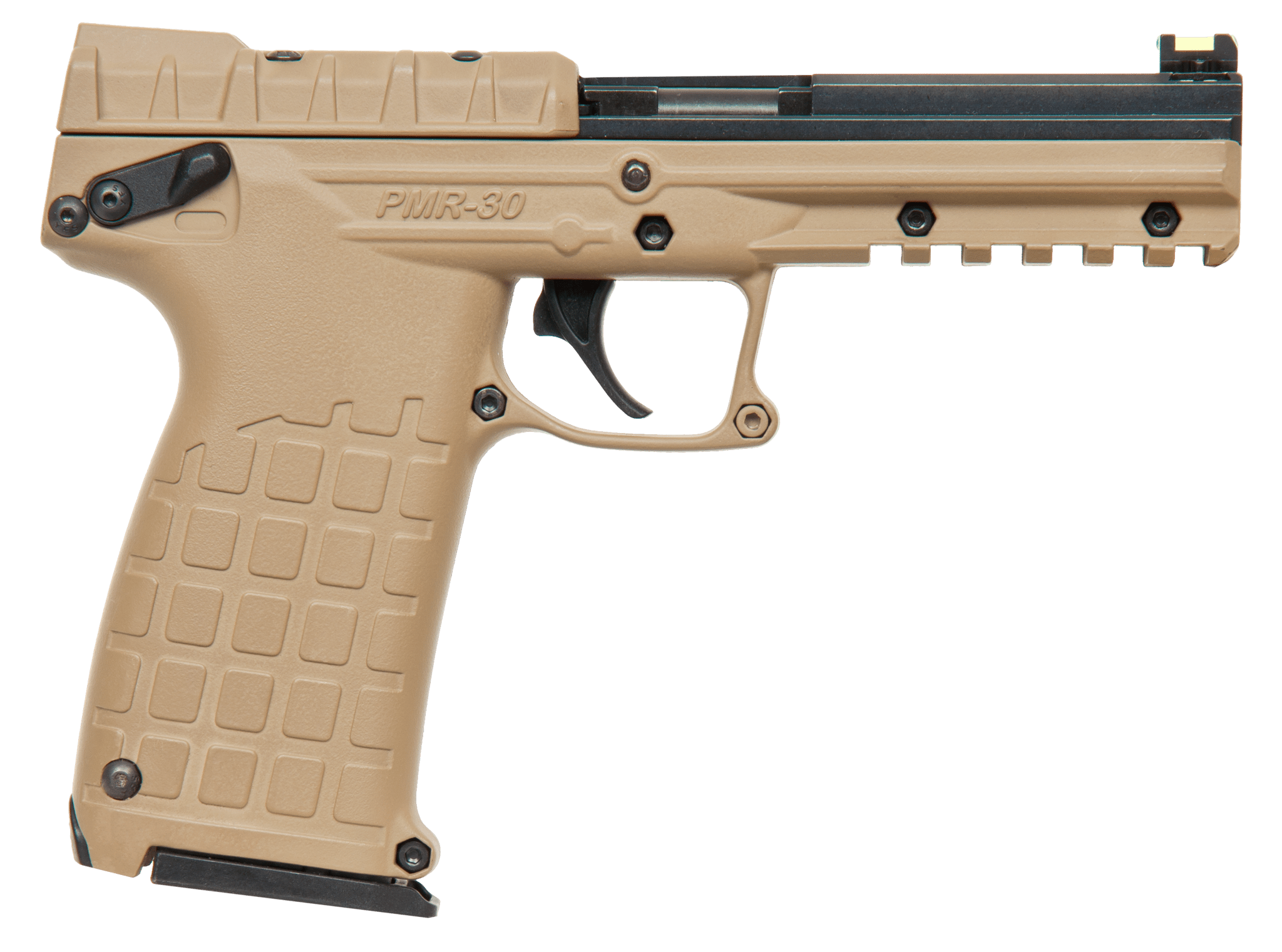
A real firearms accessories store isn’t just a shelf with some cleaning kits. It’s built on three pillars: depth of inventory, technical knowledge, and logistical expertise. Depth means stocking not just one brand of red dot, but the full lineup from Holosun, Trijicon, and Aimpoint, along with the specific mounting plates for a Sig P320 XCompact or a CZ Shadow 2. Knowledge means the staff can explain the difference between a Geissele SSA-E and an SSA trigger pull, or why a Surefire X300U-B has a different mounting system than the -A model. Logistics is about having the FFL and distribution channels to move not just accessories but the firearms themselves, like the Keltec PMR-30, and get them to your local dealer efficiently. This is the operational model we’ve built at Chucksgunsstore.
Why Specialization Trumps General Retail Every Time
General retailers operate on volume and broad appeal. Their accessory selection is often an afterthought—mass-produced, low-cost items designed for the casual user. You’ll find universal holsters that fit nothing perfectly, low-lumen lights with questionable durability, and bulk-pack ammunition of unknown provenance. A specialized store curates for performance and reliability. They understand that an appendix carry holster for a Glock 43X with a TLR-7 Sub requires a specific mold from Tier 1 Concealed or Tenicor. They know that a .300 Blackout build needs a specific gas block diameter and that Magpul PMAGs for .300 BLK are distinct from 5.56 mags. This expertise prevents costly mistakes and ensures your gear works when it matters.
Navigating the Online Accessory Marketplace
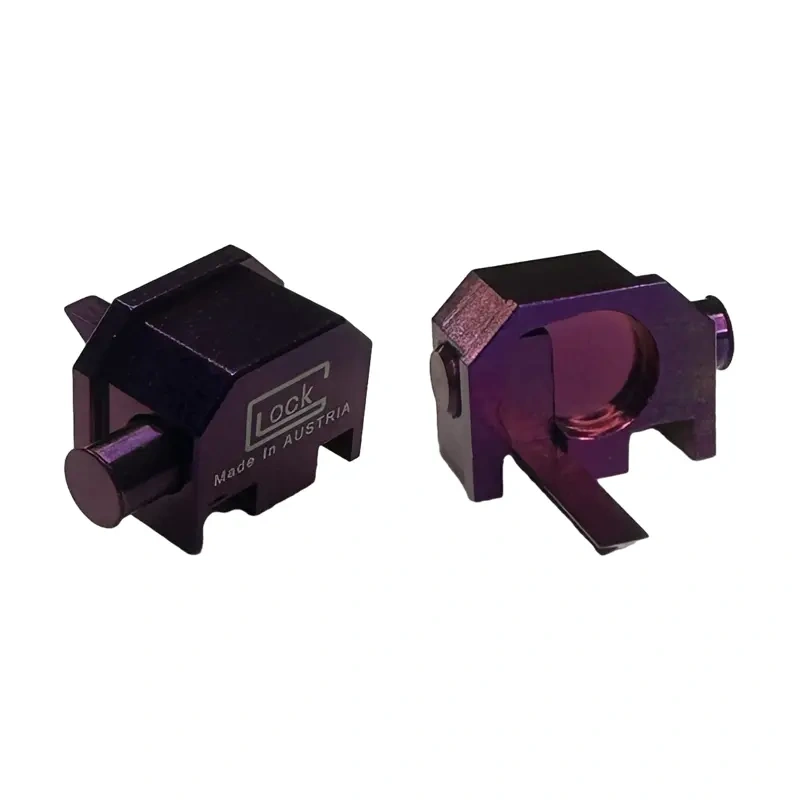
The online marketplace is a double-edged sword. It offers unparalleled selection but is rife with counterfeit products, drop-shippers with no inventory, and technical misinformation. The key is identifying legitimate retailers. Look for stores that list specific part numbers, have detailed product photos (not just stock images), and provide clear compatibility charts. A real store will list an item as “Arisaka Offset Scout Mount M-LOK, Picatinny” not just “flashlight mount.” They’ll have a dedicated Glock Switches collection with clear product descriptions, not vague listings. Transparency about shipping times, FFL requirements for regulated items, and a clear return policy are non-negotiable signs of a professional operation. Chucksgunsstore structures its entire Accessories collection with this precise, detail-oriented approach.
Building a System, Not Just Buying Parts
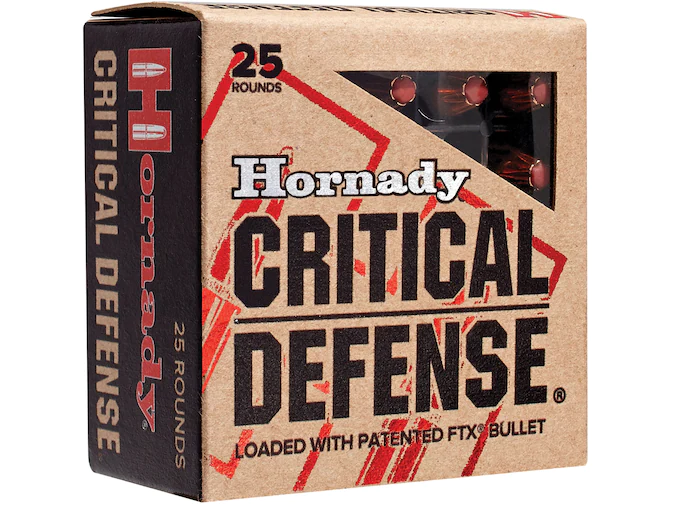
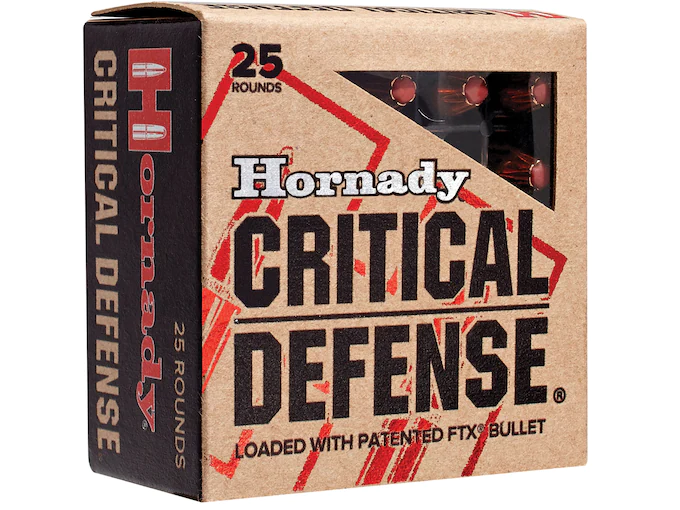
An experienced shooter doesn’t buy random parts; they build a integrated system. Your optic dictates your holster choice. Your ammunition selection should match your firearm’s purpose and barrel length. A store that gets this will offer bundles or at least knowledgeable guidance. For example, pairing a new micro red dot with the correct torque screwdriver and witness-marking kit, or recommending Hornady Critical Defense 9mm for a short-barreled carry gun due to its reliable expansion at lower velocities. This systems approach extends to the platform itself—offering everything from the base firearm, like those in our Handguns collection, to the specialized components that complete it, ensuring every element works in concert.
FAQ: Firearms Accessories & Carry
What stores can you conceal carry in?
This is entirely dictated by state law and individual store policy. In constitutional carry or permitless carry states, you may legally carry in many retail establishments unless explicitly prohibited by posted signage (which often carries the force of law). However, large national chains like Target, Walmart, and most grocery stores typically have corporate policies prohibiting firearms, even if state law allows it. Always check for signage at every entrance—a legally binding sign is usually very specific in wording, size, and placement according to your state’s statutes. When in doubt, secure your firearm in your vehicle.
Browse our firearms collection
Last updated: March 27, 2026
